






Carrier Bags - the home of printed carriers
Do you want your very own personalised carrier bags at a fantastic bargain price? Well you've come to the right place!
Get a quote on personalised carrier bags in less than 60 seconds with our instant quote wizard.
It's so simple to use. No mess, no fuss, no waiting around for someone to get in touch with you - just enter a few details about the carrier bags you want and we'll give you a quote there and then!
We've streamlined our service to make things faster and cheaper for you. No headaches over choosing from too many options - we've trimmed the order process down to what our customers need.

Just choose from five standard sizes of patch handle carrier bags - the classic carrier with a reinforced handle for a stronger, more substantial bag - and choose from white, clear or coloured polythene.
Tell us how many colours you want to print in and whether you want to print on both sides of the bag (at no extra cost!) and that's it.
We cater for high or low-volume print runs and our minimum order of 1,000 bags is ideal for use at trade shows or conferences. All our bags are made from high quality polythene (55 microns thick) which gives your bag more gloss, a more silky appearance and a more substantial feel.
So order your carrier bags from us today and we guarantee you'll look the part and stand out from the crowd!
Carrier Bags is a specialist website from Polybags Ltd, the UK's number one manufacturer of polythene products. All orders placed with Carrier Bags are fulfilled by Polybags, which means direct sales straight from the manufacturer, wholesale prices and first class customer service.
If time is of the essence, our huge range of stock means you can choose from a fantastic selection of carrier bags available off-the-shelf. We offer a massive variety of clear or coloured carrier bags, available in plain or printed designs at discount prices.
Whatever type of carrier bag you need - Carrier Bags is the place for you!
Things people say about carrier bags
Personalised carrier bags are only as superb as the film, seal and handle design below the print. A bag that sees sharp at intake can still fail in dispatch if the gauge is also thin, the gusset folds badly or the seal line opens below a heavy load. Printer control matters also, because ink that sits well on the surface nevertheless cracks when the bag flexes soon makes the all item see poor. The practical aim is a carrier that carries, stacks and travels without fuss. When the specification suits the likely payload and the finishing is kept tight, less bags fail on the dock and less labour is wasted sorting out damage.
Custom carriers often become necessary when a package slips past normal courier limits, and that brings additional handling, additional cost and more chance of delay. Keeping a packed item within normal dimensions is a practical method to stay inside the normal transport network instead of moving into freight rules or awkward special arrangements. A 50kg load can still be troublesome, nevertheless if the size is controlled properly it behaves more like a manageable package than a one-off problem consignment. That sort of specification selection saves time at dispatch and reduces the risk of a carrier rejecting the shipment at the last small.
Custom carrier bags need to be specified as working packaging, not only as a printed advert. The material has to cope with the proper weight and shape of the purchase, because a bag that stretches also much or splits at the handle creates a poor transport and can damage the products before they reach home. Gauge, handle style and print quality all play a part in how the item performs at the counter and on the street. A well-manufactured bag feels reassuring in the hand, retains its shape and presents the name cleanly, so the business acquires a useful message all time the bag is reused.
Printed carriers need to be judged as working packs, not only as a printed surface, because a tidy design can still fail if the gauge is also light or the seals are not holding properly. When the film is also slippery or the print and treatment are out of step, the bags may feed badly, scuff in the stack or split once they are loaded for dispatch. That creates additional sorting, more spoilage and awkward delays at the packing bench. A carrier that runs cleanly through production and survives handling in store is worth far above one that only sees tidy on the reel.
Printed Carrier Bags
Printed carrier bags need to transport weight properly, because a clever print stop means small if the handles stretch, the side gussets open up or the base beginnings to sag in store. Paper versions rely on fibre direction and board grade as much as artwork, since the gross construction can see crisp on the bench and tired on the shop floor after only a short load. Film or reinforcement layers need careful control also, or the bag becomes awkward to stack and less proper in sealing and transit. A sound specification assists the print do its job without turning the bag into handling risk, and that saves problems later at checkout and in the back room.
See part 10 below for information about direct assist arrangements for carriers.
A carrier that earns AGC status is being credible to retain document checks tight on a specific route into the UK, and that trust relies on consistent front-line control. For airline and sea operatours, the point is not only ticking a box at boarding or loading; it is catching weak or false travel papers before they create delays, refusals, or knock-on problems at the border. Staff still need practical assist, because the normal only works when checking is done properly and the details are understood. That makes route-specific discipline part of normal operation, not an additional burden.
Single-use carrier bags
A charge on carrier bags still shapes shop-floor packing even when the most small organizations are spared the paperwork. The point is not only compliance; it changes how fast items transport across the till, how often stock is touched, and how much consumable material disappears in daily trading. Thin polythene suppliers bags tend to split, stretch or become awkward when loaded also hard, so they create handling waste as well as waste. Heavier-gauge or better-designed reusable formats grasp their shape more reliably, which makes them easier to dispense and more likely to be used again. That matters because a bag that survives several trips works harder as packaging and leaves less behind in the waste bin.
Discount Carrier Bags Exporters, Suppliers & Manufacturers in UAE
Discount carrier bags must be specified with enough film gauge to cope with the rough and prepared handling that happens on a busy packing line. If the film is also light, it may see efficient on paper nevertheless it loses stretch and shape, so the bag can split at the seal or tear where the gusset takes the load. That causes re-bagging, slows the line and makes the packer fight the material instead of utilising it smoothly. A sound gauge gives the bag body, assists it open properly and retains filling consistent below normal shop-floor conditions.
Poor quality carrier bags normally fail long before they reach the client, and the damage starts with the film or resin selection. A bag can see fine on the roll nevertheless still split at the handle, stretch unevenly, or lose strength when loaded at the seam. That often points to weak gauge control, poor blending, or a shortage of testing at the converting stage. Once bags beginning tearing in use, the problem spreads into wasted product, complaints, and additional cleaning at shopping. A firm specification, checked against proper load handling, retains the output fit for daily carrying rather than only looking acceptable on the line.
Personalised carriers only work when the print stays readable after the pack has been folded, filled and handled. The design may see tidy on screen, nevertheless the proper test comes on the line, where film or paper has to feed evenly, grasp register and take ink without smudging as pressure builds from insertion and sealing. Most failures beginning with the substrate, not the artwork. If the surface treatment, gauge or stop is gross, the carrier can misfeed, select up dust or rub at the edges, which fast turns a clever printed pack into a production nuisance.


Advertise your business with printed carrier bags
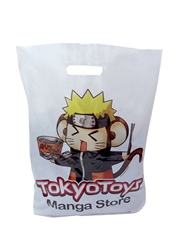
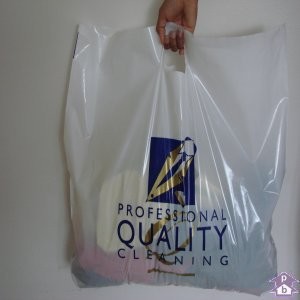
Printed carrier bags provide the perfect way for retailers to advertise their business.
With a smart, eye-catching company design or logo printed on to a thick, smooth and smart patch handle carrier bag, you not only make an instant good impression with the customer but that very same customer then becomes a walking advert for your business.
They take your carrier bag out of your store and into the immediate surroundings, displaying it amongst other consumers in the local area.
If your bag stands out from the crowd with a snazzy logo or design, or it features a catchy advertising slogan, then other shoppers are likely to take notice, which will increase the chances of them paying a visit to your store.
The other obvious benefit of printed carrier bags is when the customer gets home and the carrier bag has served its immediate purpose. With the carrier bag tax enforced across the whole of the UK, people are more keen than ever to re-use existing carrier bags for trips to the supermarket, for example.
Whilst dull or, more importantly, weak and flimsy carrier bags could easily be disposed of, a strong and smart carrier bag is likely to be stored away for further use on shopping trips.
What's more, when the customer retrieves your printed carrier bag they get a positive reminder of your brand and their shopping experience with you, plus any further use of the bag means it advertises your business with even more consumers. It's a win-win!
Carrier bags to suit any job

All of our printed carrier bags are patch handle carriers made from 55 micron (220 gauge) polythene, to provide a strong carrier bag with a smooth and silky finish.
But carrier bags come in many shapes and sizes and from polythene of varying thicknesses - or biodegradable alternatives - to suit any job or budget.
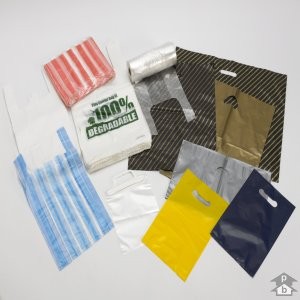
The most recognisable type of carrier bag is the standard economy vest carrier, used by consumers in their millions in supermarkets and grocery stores worldwide.
The economy vest carrier is made from high density polyethylene (HDPE) which provides excellent strength even when produced in very thin form, allowing bags made from HDPE to be manufactured and sold at budget prices.
This traditional 'crinkly' carrier is itself available from Polybags in a variety of forms, from a cheap and cheerful 'ultra-thin' carrier weighing in at just 8 microns thick to the supreme high tensile white vest which combines higher quality bag strength with budget prices.
You can buy economy vest carriers in either white, blue or classic candy stripe colours. They are also available made from 100% recycled polythene or, in the case of the EcoVest, made from 100% degradable material.

Polybags stocks every type of carrier bag from the economy vest carrier, perfect for those shopping on a budget, to a range of fashion and premium carriers catering for the more luxury end of the carrier bag market.
These luxury carriers include a pair of very smart carrier bags with a difference: the clip close carrier - a strong and thick carrier bag complete with an integral plastic clip and handle - and the grip seal carrier, which features a squeeze-to-seal grip seal closure at the top of the bag.
Polybags also stocks a range of biodegradable and starch-based carrier bags, which can be disposed of in standard composting conditions to help do your bit for environment while getting the job done.
Whatever carrier you need, we've got it covered!
All of these bags and more are available off-the-shelf at Polybags at fantastic discount prices so, whatever your budget and whatever type of bag you are looking for, visit Polybags.co.uk for all your stock carrier bag needs.
Of course, if you're looking for printed carrier bags personalised with your company logo or design, then we've got everything you need here at Carrier Bags!
Visit our Instant Quote form and we can provide you with a no-obligation online quote in less than 60 seconds. No waiting for an email or a call back - we'll give you a quote that instant, 24 hours a day, seven days a week!